
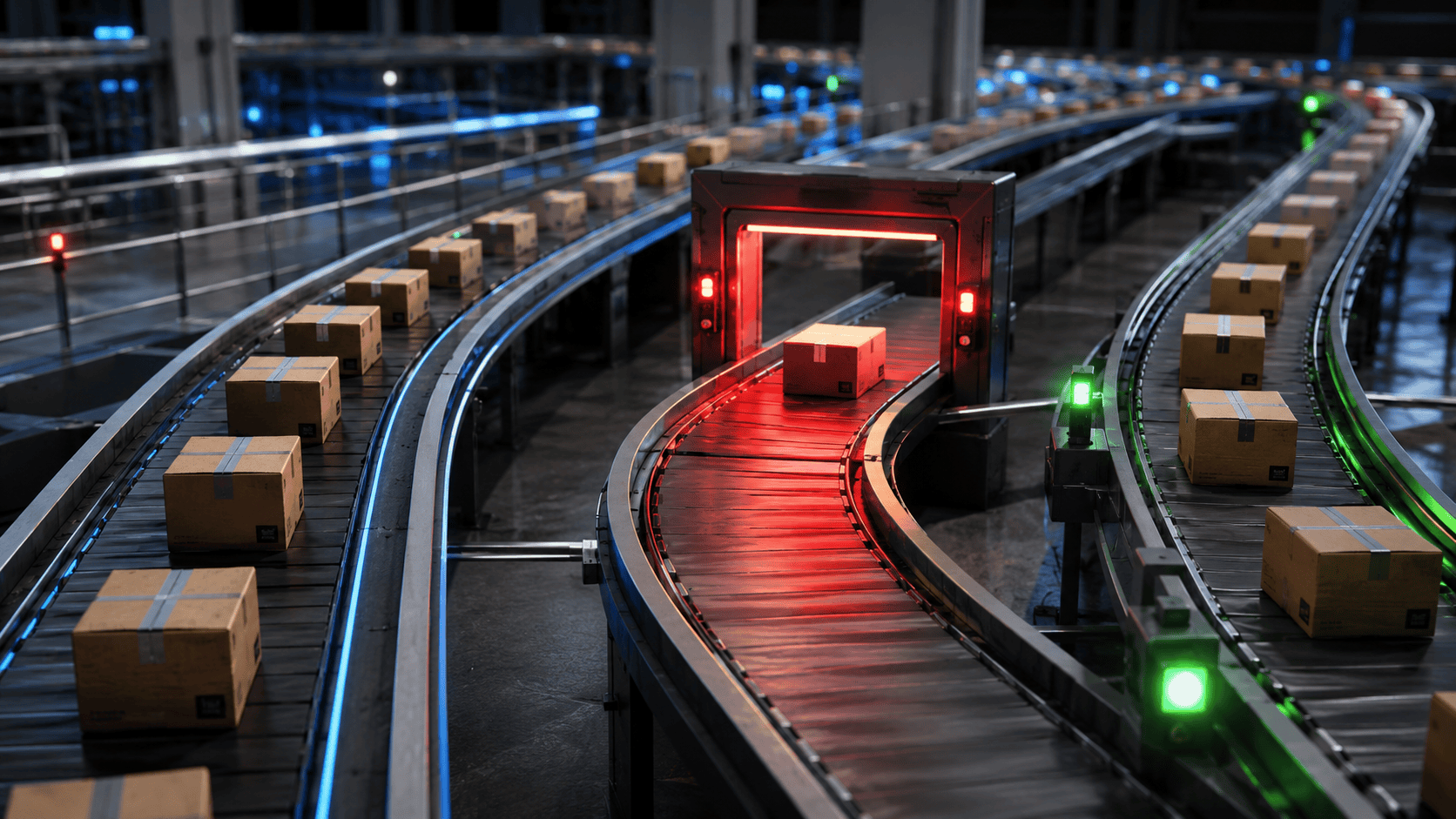
Digital operations depend on systems talking to each other. A form sends a lead to a CRM. A donation platform sends a gift record to accounting. A webhook triggers a welcome email. Most of the time, these handoffs work. Sometimes a service is slow, unavailable, rate-limited, or temporarily rejecting requests.
Retry logic and queues give workflows a controlled way to recover from those moments instead of losing records or creating duplicate work.
What a Queue Does
A queue is a waiting area for work. Instead of forcing every task to happen immediately, the system places a job in order and processes it when resources are available. This helps absorb traffic spikes and prevents one slow destination from blocking the entire workflow.
For example, a website might accept a form submission, store it safely, and queue a CRM update. The visitor receives confirmation, while the back-end job continues processing.
What Retry Logic Does
Retry logic decides what to do when a task fails temporarily. If an API times out, the workflow may try again after a short delay. If it fails again, the delay may increase. If the error is permanent, such as a missing required field, the workflow should stop retrying and send the record to review.
Temporary vs. Permanent Errors
Not every failure deserves another attempt. A network timeout, rate limit, or temporary service outage may be retryable. Invalid authentication, missing identifiers, rejected field formats, or duplicate conflicts usually require correction.
This distinction protects both systems. Blind retries can flood an API or create repeated duplicate records. No retries can lose good records during a temporary outage.
What Good Operations Include
- A durable record of each job.
- Clear retry limits and delay rules.
- Duplicate prevention using stable IDs.
- Visible exception reporting.
- Alerts when failure rates rise.
- A human review process for records that cannot be processed automatically.
DigitalWerks helps organizations build integrations and automations that expect real-world failure and recover in a controlled, observable way.